HORISEN and the RZO Gais Data Centre
At HORISEN, infrastructure is never an afterthought. It is the foundation of everything we deliver to our customers. That is why transparency, resilience, and sustainability play a central role in how we select and work with our data centre partners.
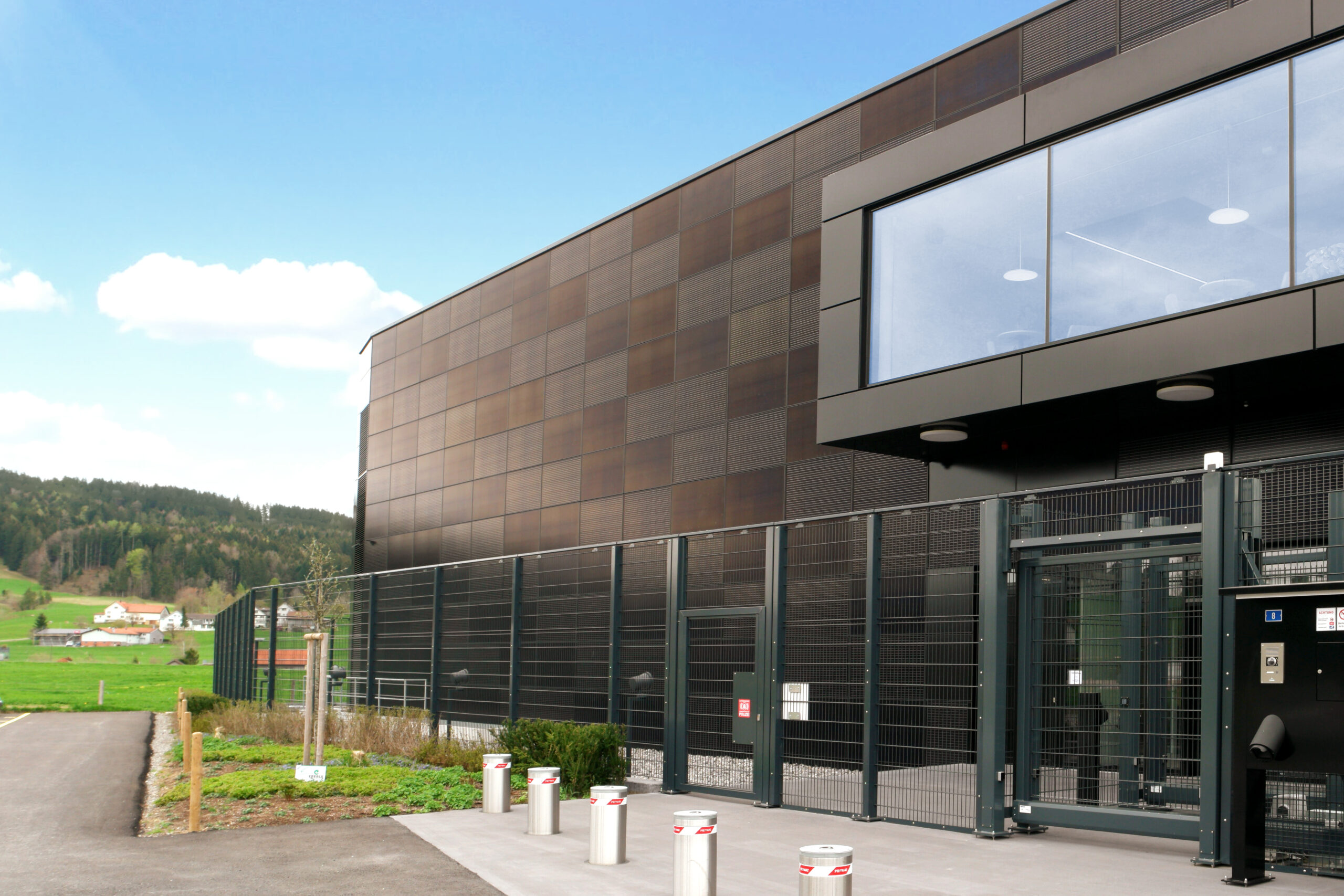
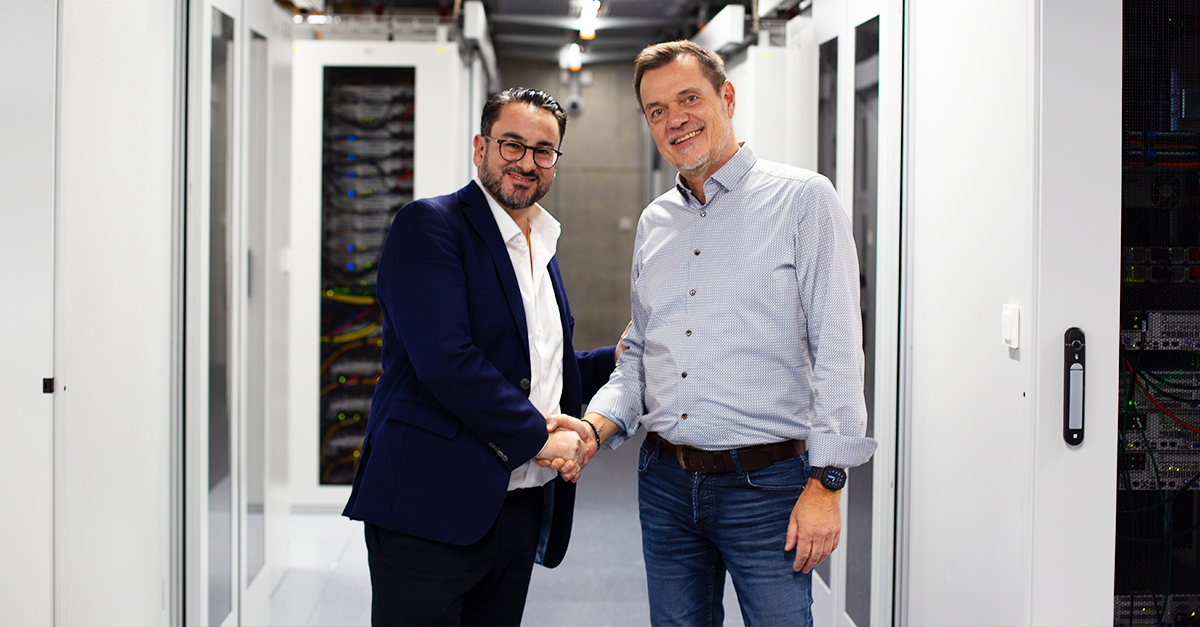
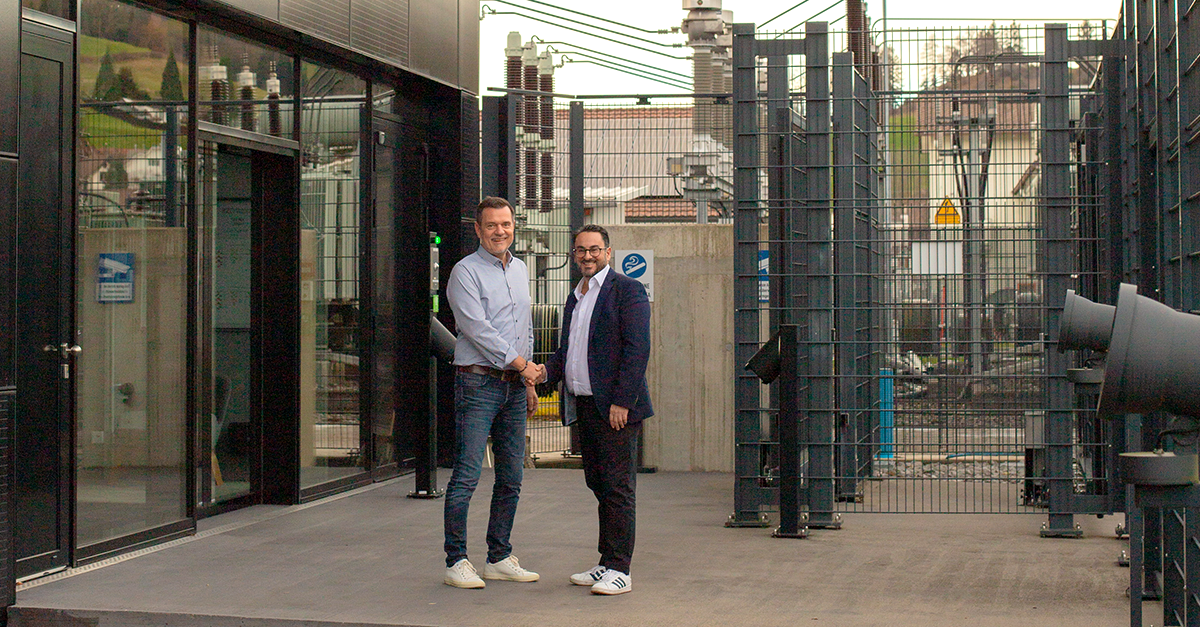
Following our initial conversation and a joint on-site visit, we sat down again with Christoph Baumgärtner, CEO of Rechenzentrum Ostschweiz (RZO), to go deeper into the technical, strategic, and sustainability aspects of the Gais Data Centre. From Tier IV redundancy and carrier neutrality to circular energy models and long-term scalability, this follow-up interview offers a detailed look behind the scenes of one of Switzerland’s most advanced data centres.
From Vision to Reality: Building RZO from the Ground Up
Christoph, you mentioned in our first interview that you’ve been involved with RZO from the very beginning. What in your background prepared you to lead the project from its initial concept to your role as CEO today?
I come from a telecommunications and standardisation background and have seen a lot of data centres around the world. Through that experience, I developed a very clear picture of how a data centre should be built.
When St. Gallisch-Appenzellische Kraftwerke (SAK) initiated the project in 2016, they were looking for a project leader, and I stepped in. Since then, I’ve been involved from planning through implementation and today as CEO.
Tier IV as a Conscious Decision
RZO is one of only two Tier IV colocation data centres in the entire DACH region. Why was this level chosen?
The main reason is simple: this was our first data centre. If you only operate one facility, availability becomes critical.
Tier IV gave us the operational certainty that even in the event of a failure, operations continue without disruption. That decision has proven itself in practice: since opening, we have maintained continuous availability.
What we learned very quickly is that certification alone is not enough. The real value comes from combining redundancy with disciplined preventive maintenance, business continuity planning, and an experienced operations team. Together, these elements create the stability that allows customers to focus on their core business instead of infrastructure risk.
Carrier Neutrality and Connectivity
RZO is a carrier-neutral data centre. Why is this important for customers like HORISEN?
Carrier neutrality gives customers freedom. Some of our customers use up to six different carriers for redundancy or optimised routing. Others operate dark fibre connections, layer-2 point-to-point links, or high-capacity internet access – depending on their use case.
If a service is customer-facing, fast and redundant internet connectivity is essential. If it’s internal IT infrastructure, point-to-point connections are often preferred for security reasons. Being carrier-neutral allows all of this without locking customers into a single provider.
Scalability and Long-Term Planning
How does RZO handle future growth and scalability?
The Gais facility is now almost fully occupied. That’s why we’ve already expanded with a second site in Gossau, where we currently operate around 300 square metres of space.
At the same time, we are planning a new data centre, largely based on the Gais design but bigger and more powerful. The target is to have it operational by the end of 2029.
Eight years of operational experience have shown us what works extremely well – and what can be improved further. Engineering never stops, and the next facility will benefit directly from what we have learned here.
Sustainability: Efficiency First, Then Innovation
What motivated you to prioritise energy efficiency and sustainability from the start?
There were several factors. Personally, I have always been interested in efficiency and sustainability. At the same time, the management of the parent company set a clear goal: this should be the most efficient data centre in Switzerland.
That is one reason we are here in Gais. Another important step was engaging early with the local community and authorities. Through these discussions, we discovered that the neighbouring mountain cheese dairy had a high demand for heat.
That is how the waste-heat project started. Today, we supply around 1.5 GWh of waste heat per year, enabling the dairy to produce roughly 1,800 tons of cheese annually while reducing its CO₂ emissions by approximately 200–300 tons per year. For us, it’s a win-win: the more heat they use, the less energy we need for cooling.
From an efficiency perspective, our Power Usage Effectiveness (PUE) is around 1.15, compared to an average of 1.6 in Switzerland. That means we need only about 15% additional energy on top of the IT load, instead of the typical 60%.
Security: Separation by Design
Cybersecurity is a major concern in telecom. How do you approach it at data centre level?
Our philosophy is simple: no permanent external connection to the systems that operate the building itself. As long as you are connected, you are vulnerable.
We separate customer IT systems from internal operational systems completely – different hardware, different networks. Software updates are done only temporarily, with multi-level authentication and personal verification. This significantly reduces attack surfaces.
Social engineering is always a risk, of course. There is no such thing as 100% security, but awareness, separation, and strict processes are the best defence.
Why RZO and HORISEN Are a Strong Match
What makes HORISEN a good fit for RZO?
We are a pure colocation provider. We do not sell servers, storage, or applications, because we don’t want to compete with our customers or partners. That philosophy aligns very well with HORISEN’s vendor-neutral approach.
Interestingly, HORISEN’s requirements also pushed us further – especially around geo-redundancy. While Zurich is a major hub, it can also be a single point of failure. That’s why we are now expanding connectivity towards Munich and Vienna, creating alternative international routes that benefit HORISEN and other customers alike.
A Message to HORISEN Customers
The combination of Tier IV availability, very high physical security, and genuine sustainability is extremely rare in data centre landscape nowadays. Many facilities excel in one area – security, efficiency, or sustainability – but only a few bring all of these elements together in a single operational model.
At RZO, this is exactly the environment in which HORISEN’s platforms operate. The infrastructure was built to deliver uninterrupted availability, protect critical systems, and do so in an energy-efficient and sustainable way.
For HORISEN customers, this means confidence that their messaging services are supported by a data centre designed for continuous operation, long-term stability, and telecom-grade reliability – providing a secure and future-proof foundation for mission-critical communications.